Water Pressure Diagnosis in Lincolnshire, IL
Water Pressure Diagnosis checks residential pressure at fixtures and hose bibs; a typical visit runs $125–$275, depending on access and testing scope.
Near Lincolnshire City Hall, a weak shower stream or upstairs tap that barely runs deserves a pressure check before parts are replaced. Give weak flow the pressure check it needs. Our team compares what happens at different fixtures to find whether the trouble affects one outlet or the whole building.
Large suburban homes and office campus buildings in Lincolnshire can have different piping layouts and service access. We check the pressure where water enters and compare it with flow at the fixtures, so you get a clear explanation of what is restricting delivery and what repair fits.
Low pressure, clear answers. Stevenson High School is another local reference point for our Lincolnshire service calls; nearby property owners can tell us whether the issue began suddenly or has worsened over time. That history helps guide the first checks.
Our team will explain what to expect and identify the likely source before recommending work.
Water Pressure Diagnosis checks residential pressure at fixtures and hose bibs; a typical visit runs $125–$275, depending on access and testing scope.
We install home booster pumps sized to demand; capacity and electrical work shape the typical $800–$2,500 range. Wind chill can freeze exposed piping, so Springfield and Decatur access matters.
We trace sudden whole-house pressure drops for Lincolnshire, IL homeowners, checking accessible supply lines and pressure controls; typical repair costs depend on the failed part and access, often $150–$1,200.
We locate and repair pressure-affecting water line leaks for homeowners, including accessible pipe and buried-line work; typical repairs run $250–$1,500, depending on location and excavation.
We repair residential pressure-reducing valves, including accessible valve and connection work; typical repairs run $200–$600, depending on parts and labor.
We clear residential water-line blockages and inspect accessible pipe sections; a typical visit may run $200–$800, depending on access and blockage severity.
We repair showerheads, valves, and pressure problems; typical repairs run $150–$600 depending on access and parts. Lincolnshire, IL seasons and lake-effect snow can affect service timing.
We repair residential water booster pumps, checking pump components and controls; typical repairs may run $150–$600, depending on parts and access.
Well Water Pressure Repair addresses weak flow and cycling pumps by checking well controls, tank settings, and piping. Cost depends on the fault, parts, and access.
We clear or replace restricted faucet aerators and worn fixture parts; typical repairs run $125–$350, depending on access and parts.
We repair or replace well pressure tanks, matching tank capacity and piping; replacement commonly runs $800–$2,000. Gateway Arch travelers at O’Hare should plan for freeze-thaw strain on buried lines.
We free or replace stuck household shutoff valves, including corroded basement fittings; typical work runs $150–$500 depending on access and valve condition. Midway-area homeowners should protect exposed plumbing from...
We restore hot-water flow at residential fixtures and heater connections; typical repairs run $150–$600, depending on access and parts.
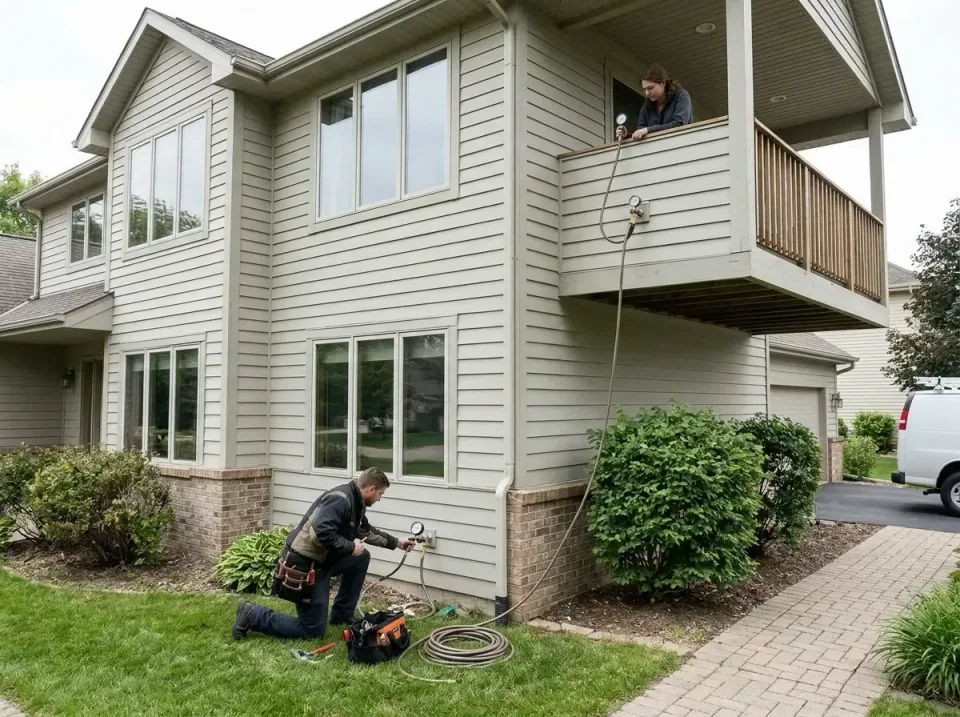
Lincolnshire City Hall and the Lincolnshire Public Library are familiar landmarks for our local service work.
We handle residential pressure regulator replacement, shower-flow complaints, and booster pump repair when diagnosis shows a pump problem. For office campus buildings, our team coordinates building water service access and can assess pressure across the property rather than relying on one fixture.
We explain the findings before proposing a repair. Expect clear scheduling, careful work around occupied spaces, and an outline of the access we need.
A shower that loses force when another tap runs can point to a pressure-system issue; a single slow outlet may instead have a local restriction. In Lincolnshire, summer thunderstorms can disrupt municipal water service, so note whether the change began during or after a storm.
We provide pressure-system service by comparing flow at several fixtures and checking accessible parts of the supply. A pressure gauge installation can give a useful reading for tracking a recurring problem, while water-line blockage checks help when multiple outlets remain weak. Keep it simple: check whether cold and hot taps behave alike.
Our team can explain the results and discuss water-system maintenance suited to the cause. We serve Lincolnshire addresses in ZIP codes 60069 and 60045; call (877) 773-0781 to schedule access.
Freeze-thaw road conditions around Lincolnshire can stress buried water lines, so a pressure drop that develops gradually may warrant checking the incoming supply. At Lincolnshire Memorial Park, changing seasons are part of local life; underground piping faces its own expansion and contraction as temperatures shift.
A homeowner may notice that several fixtures lose flow at once. Our team assesses the water-supply line and pressure zone, then explains whether a repair is appropriate; we do not assume a well-pressure problem without confirming that the property uses a well system. Check whether neighbors or other taps show the same change, and look for visible dampness near accessible plumbing without digging.
Rivershire Recreation Center gives residents another familiar point of reference for our Lincolnshire coverage. If pressure remains low across the property, we can inspect the likely source and discuss next steps.
Admin. Code 890, is a key statewide requirement; local permit and inspection steps depend on the scope of work. Skipping required approvals can leave an installation uninspected and complicate future property work.
A pressure-reducing valve failure diagnosis distinguishes a whole-house pressure problem from a restriction at one fixture. For occupied Lincolnshire office campuses, we plan tenant-impact-conscious repairs by coordinating access and explaining any necessary water interruption before work begins. Booster pump commissioning also matters: the installed equipment must be checked in operation, not simply connected and left untested.
Get a clear diagnosis and a repair plan shaped around your home.
Technicians check pressure at fixtures and key points in the system, then explain what they find. You can understand the likely cause and discuss the repair before work begins.
Experience with Illinois homes helps the crew consider older galvanized piping, basement shutoff valves, and other local factors that can affect pressure when assessing your system.
The team confirms the repair plan with you before proceeding. Technicians protect nearby floors and cabinets during access, then check pressure stability before closing the work area.
The crew checks symptoms, identifies the cause, and confirms the repair with you.
Discuss Symptoms
You describe where and when pressure changes occur. The crew confirms which fixtures are affected and notes relevant details to guide the diagnosis.
Check the System
A technician locates the main shutoff and checks pressure at fixtures and key system points. You learn what the tests indicate before choosing a repair.
Confirm the Plan
The technician explains the findings and proposed work, including any access needs. You confirm the repair plan before the crew proceeds.
Repair and Verify
The crew completes the agreed repair, measures pressure after adjustments, and checks stability. Nearby work areas are protected and reviewed before they are closed.
A sink takes longer than usual to deliver a steady stream. Note whether the delay happens at one fixture or several; that detail can help distinguish a local fixture issue from a broader system concern.
One faucet’s stream looks uneven while nearby fixtures seem normal. Check whether the change appears only at that tap, since a localized issue may call for a different inspection than a home-wide pressure concern.
Flow takes a moment to settle after you turn a fixture off and on. Keep track of which tap shows the change and whether it persists, so a technician can use those observations during diagnosis.
Freeze-thaw conditions can put stress on plumbing and make a pressure change more noticeable after winter. A spring assessment can help identify whether a valve, line, or other system component needs attention.
Household water use can vary during summer, making it a useful time to check pressure concerns that appear during normal routines. A technician can test fixtures and system points to help narrow down the cause.
Fall is a practical time to review pressure concerns before snowy lake-effect conditions arrive. An inspection can identify plumbing issues that deserve attention and clarify whether a repair is needed.
Snowy storms and freeze-thaw road conditions can complicate access to a home, while cold weather can affect plumbing. Discuss site access when arranging service so the visit can be coordinated safely.
Ask how permit requirements are handled for the specific repair. The team coordinates local permit requirements where the work calls for them, so you can understand what applies before the job proceeds.
Ask which fixtures and system points will be checked, and what findings you will receive. Knowing the diagnostic scope helps you understand what the visit covers before deciding on a repair.
Ask whether the technician will need access to a basement shutoff, cabinets, or other plumbing areas. Preparing the right spaces can help the crew inspect the system and protect nearby surfaces.
Ask how proposed work is explained and approved before it starts, and whether any changed scope is discussed with you. This helps ensure the work proceeds according to an agreed plan.
Request a quote online or contact our Lincolnshire, IL team directly by phone or email.
Watch for these warning signs: visible damage, active leaks or water intrusion, unusual noises, rising energy bills, or a system older than 15–20 years. If you spot any of these, call us immediately for a free assessment early action prevents far costlier repairs.
Costs depend on the scope of work, materials, and your location. We provide a detailed written estimate before any work starts no hidden fees, no surprises. Call us or fill out the quote form above to get a number specific to your property.
Most requests receive a same-day or next-business-day response. For emergency situations, call us directly we maintain priority scheduling for urgent cases across States.
Yes. Every provider in our network carries the required state and local licenses, general liability insurance, and workers’ compensation coverage. We verify credentials before connecting you with anyone.
We operate across Illinois. Browse our state pages to find the cities we serve in your area.
Ask for proof of license and insurance, a written scope of work, a detailed cost breakdown, timeline, warranty terms, and references from recent local jobs. Never pay the full amount upfront.
Low Water Pressure Repair is also available in these nearby communities across Illinois.