Water Pressure Diagnosis in Schaumburg, IL
Water Pressure Diagnosis checks residential pressure at fixtures and hose bibs; a typical visit runs $125–$275, depending on access and testing scope.
Freeze-thaw cycles can stress buried water lines in Schaumburg, leaving taps weak or pressure uneven. If water slows across several fixtures, we check the supply path before recommending a repair.
Near Woodfield Mall, a sudden pressure change can disrupt showers and everyday chores. Snow and ice can also delay access to outdoor service points, so clear paths to the meter and shutoff help our crew reach the equipment safely. Spring Valley Nature Center offers another familiar reference point as we route service calls around Schaumburg.
We inspect the pressure at multiple fixtures, check accessible valves and lines, and explain what our readings show. A single weak faucet may point to a fixture issue; a whole-home change needs a wider check. Small details matter.
Call (877) 773-0781 to arrange a visit and tell us which fixtures are affected.
Water Pressure Diagnosis checks residential pressure at fixtures and hose bibs; a typical visit runs $125–$275, depending on access and testing scope.
We install home booster pumps sized to demand; capacity and electrical work shape the typical $800–$2,500 range. Wind chill can freeze exposed piping, so Springfield and Decatur access matters.
We trace sudden whole-house pressure drops for Schaumburg, IL homeowners, checking accessible supply lines and pressure controls; typical repair costs depend on the failed part and access, often $150–$1,200.
We locate and repair pressure-affecting water line leaks for homeowners, including accessible pipe and buried-line work; typical repairs run $250–$1,500, depending on location and excavation.
We repair residential pressure-reducing valves, including accessible valve and connection work; typical repairs run $200–$600, depending on parts and labor.
We clear residential water-line blockages and inspect accessible pipe sections; a typical visit may run $200–$800, depending on access and blockage severity.
We repair showerheads, valves, and pressure problems; typical repairs run $150–$600 depending on access and parts. Schaumburg, IL seasons and lake-effect snow can affect service timing.
We repair residential water booster pumps, checking pump components and controls; typical repairs may run $150–$600, depending on parts and access.
Well Water Pressure Repair addresses weak flow and cycling pumps by checking well controls, tank settings, and piping. Cost depends on the fault, parts, and access.
We clear or replace restricted faucet aerators and worn fixture parts; typical repairs run $125–$350, depending on access and parts.
We repair or replace well pressure tanks, matching tank capacity and piping; replacement commonly runs $800–$2,000. Gateway Arch travelers at O’Hare should plan for freeze-thaw strain on buried lines.
We free or replace stuck household shutoff valves, including corroded basement fittings; typical work runs $150–$500 depending on access and valve condition. Midway-area homeowners should protect exposed plumbing from...
We restore hot-water flow at residential fixtures and heater connections; typical repairs run $150–$600, depending on access and parts.
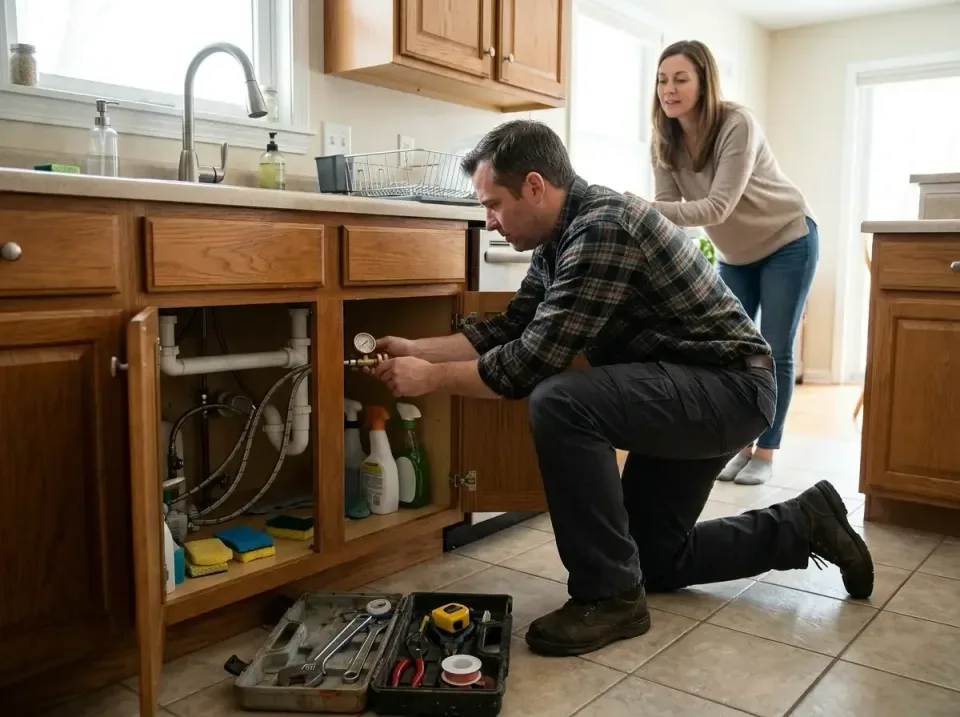
Woodfield Mall and the Schaumburg Convention Center are familiar landmarks for residents whose water systems vary from home to home. Hot, humid summer weather can increase household water use, making a weak supply more noticeable when several fixtures run. Summer thunderstorms may also disrupt municipal service; if pressure drops during or after a storm, note whether every tap is affected.
Cold weather can freeze exposed plumbing, so tell our team if a pipe or outdoor connection has been exposed to freezing conditions. Drought can strain private well supplies, so well owners should share recent pump behavior. We explain the findings before work begins and protect nearby floors and access areas. Call (877) 773-0781 to schedule.
A weak shower across the house or faucets that slow when an appliance runs calls for checking more than one fixture. Schaumburg’s spring rainfall can saturate soil around buried service lines, so we look for changes in supply and signs of a line problem before choosing a repair. You can safely compare two faucets while no appliances are running and note whether both are weak.
Seasonal temperature swings can make plumbing materials expand and contract; we inspect accessible piping and valves for restrictions or damage. Severe storms may interrupt power to booster pumps, so check whether other powered equipment lost power at the same time.
Our team tests multiple fixtures and explains the likely source before work starts. We serve properties in 60194, 60193, 60173, 60195, 60168, and 60196.
Schaumburg has four distinct seasons, and that range can change what our crew finds during a pressure call. For example, a well pressure tank problem can show up as weak flow or repeated pump cycling; well owners should note when the pump starts and stops before our visit. Schaumburg’s mix of large detached homes and condominium complexes also means access to meters, shutoffs, and shared plumbing can differ from one job to the next.
Near Medieval Times, our team checks the property’s actual water system rather than assuming every pressure complaint has the same cause. Main water line repairs may require locating the affected section and arranging suitable access. If pressure changes across multiple fixtures, tell us when it began and which taps are affected.
The Illinois EPA’s cross-connection control requirements matter when work could affect connections between potable water and other systems, so our team checks the setup before altering it. Woodfield Mall is a local reference point, not a service boundary or code authority.
Before testing, locate and identify the main water shutoff; knowing its position can help occupants respond if water must be isolated. Skipping required approvals can leave work uninspected or create problems during later property work.
We explain the applicable steps, coordinate access, and complete agreed repairs to the requirements that apply. Call us when you need help assessing a pressure problem.
Illinois Plumbing Pros explains the findings and repair plan before work begins.
Technicians check pressure at fixtures and key points in the system, then explain what they find. You can understand the likely cause before deciding which repair to approve.
The team coordinates job-site access and local permit requirements when the work calls for them. Technicians also protect floors and cabinets near plumbing access and confirm pressure stability before wrapping up.
From the first conversation through the final check, each step clarifies what is happening and what comes next.
Describe the Symptoms
Tell the team which fixtures are affected and when you notice the change. They confirm those details and arrange a diagnosis and repair visit that fits the job and access needs.
Agree on Repairs
The technician explains the findings and confirms the repair plan with you before proceeding. If permits or additional access coordination apply, the team addresses those needs for the work.
Complete and Verify
The technician protects nearby surfaces, performs the agreed repair, and measures pressure after adjustments. You get a final stability check before the work area is closed.
A faucet that sputters or spits air can be an early sign that water is not flowing steadily. Note whether it happens at one fixture or several, and share that detail when arranging an inspection.
Sediment or grit collecting on faucet aerators can restrict flow at the outlet. If cleaning the removable screen does not restore a steady stream, the cause may be elsewhere in the plumbing and worth checking.
A stream that starts unevenly and takes a while to settle can point to a developing flow issue. Keep track of which faucet shows the change, especially if the pattern continues after the aerator is clean.
Freeze-thaw road damage can make spring a useful time to check for plumbing changes noticed after winter. If pressure seems different, diagnosis can help distinguish a fixture issue from a concern elsewhere in the system.
Humid summer storms can bring heavy rain and changing outdoor conditions around a home. If you notice a pressure change during this period, a technician can check fixtures and key system points to help identify the cause.
Fall is a practical time to address pressure concerns before colder weather arrives. A diagnosis can help identify whether a shutoff valve, older pipe, or another part of the plumbing system needs attention.
Snow and freeze-thaw conditions make winter a reasonable time to pay attention to changes in household water pressure. A technician can assess the system and explain whether the findings point to a repair.
Permit needs depend on the work involved. Ask how the provider handles applicable local requirements so you know what coordination is included before the repair begins.
Ask whether the visit includes pressure checks at fixtures and key system points, an explanation of findings, and a repair plan for your approval. Clear scope helps you know what the assessment covers.
The technician may need access to fixtures, the main shutoff, or other plumbing areas. Confirm which spaces should be clear so the visit can proceed without avoidable access issues.
Confirm how the provider explains findings and receives your approval before repair work. Knowing how the proposed scope is agreed helps prevent confusion about what work is authorized.
Request a quote online or contact our Schaumburg, IL team directly by phone or email.
When several taps weaken together, the cause may be upstream of the fixtures. We compare pressure at multiple points and inspect accessible valves and supply piping. You can note whether the change affects hot and cold taps and whether it began suddenly.
Identify the main shutoff and make sure the meter and nearby plumbing are accessible. Note which fixtures are affected and whether appliances were running when pressure fell. Do not force a stuck valve; share that detail with our team.
Yes. Freeze-thaw cycles can stress buried lines, while storms can interrupt service or power-dependent equipment. Tell us when the pressure changed and whether the property recently experienced severe weather.
Low Water Pressure Repair is also available in these nearby communities across Illinois.