Meet Our Low Water Pressure Repair Crew in Illinois
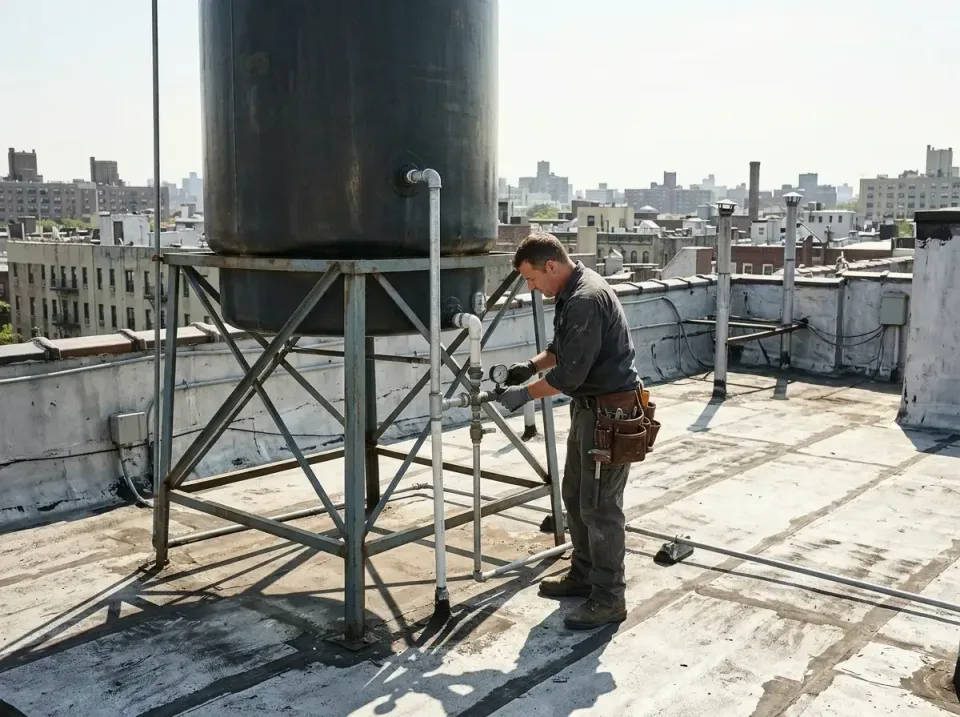
Why Our Crew Works on Illinois Water Pressure Problems
We diagnose before recommending a repair. Illinois Plumbing Pros helps homeowners track down weak or changing water pressure, from a clogged line to a failing well pressure tank. Across the state, older plumbing, basement shutoff valves, and winter freeze-thaw cycles can each affect how water reaches a faucet. The same symptom can have different causes, so we check the system before suggesting what to fix.
Clear findings matter.
Our Illinois-licensed plumbing professionals explain the likely source and available repair options in plain language, then complete agreed work to applicable Illinois and local requirements. We’re an insured plumbing contractor, and our team has OSHA 10-hour construction safety training.
Homeowners call us when showers weaken, fixtures slow down, or pressure drops without warning; we respect the home and work area while identifying the next practical step. After 11 years serving Illinois, we know not to treat every low-pressure complaint as a reason to replace equipment. We’ll explain what we find and let you decide how to proceed.
Michael Turner’s Crew Starts with a Clear Diagnosis
Michael Turner founded the company to make water pressure problems easier to understand. His early plumbing work in Chicago homes brought him face to face with older galvanized lines, basement shutoff valves, and freeze-thaw conditions that can affect pressure. That experience shapes how our crew approaches Low Water Pressure Repair: check for a likely cause, explain the evidence, and confirm a repair plan with the homeowner.
We measure pressure at fixtures and key points in the system rather than guessing from one weak tap. A useful clue is whether several fixtures lose flow together or only one; that distinction can point toward a broader supply issue or a local restriction.
We schedule diagnosis and repair visits across Illinois, coordinate job-site access, and address local permit requirements when the work calls for them. Our aim is straightforward: find the cause and explain the options before work begins. If you have noticed a change, we can help you prepare for a diagnostic visit.
Pressure Changes That Deserve a Closer Look
A pressure change can point to a fixture issue or a problem elsewhere in the system. Notice when it happens and which taps are affected; those details help us narrow down the cause.
-
Weak shower stream throughout the house: Several affected fixtures can signal a supply or piping problem, not just a worn showerhead.
-
Faucets slowing when appliances run: A flow change under demand may reveal a restriction or capacity issue worth checking.
-
Pressure suddenly dropping without warning: An abrupt change can accompany a leak, valve trouble, or another system fault; note when it began.
-
Upstairs taps barely producing water: A weak upper-floor flow can make it harder to tell whether the issue is local or system-wide.
-
Low pressure only from hot taps: If cold flow remains steady, the hot-water side deserves a closer inspection.
In older Chicago neighborhoods, galvanized piping may narrow as corrosion builds inside. A symptom alone does not confirm the cause, so our crew checks the affected fixtures and system before recommending a repair.
Checks, Findings, and Repairs Explained Before Work
We check pressure at the fixture and at key points in the system before proposing work. That helps separate a local restriction from a supply, valve, or equipment problem. We explain what we find, discuss repair options in plain language, and confirm the agreed plan before starting. We also respect the home and coordinate access and permits where required.
Code matters.
Plumbing work must follow applicable local requirements, including the Illinois Plumbing Code, 77 Ill. Admin.
Code 890, where it applies. Chicago projects can have separate requirements under the Chicago Plumbing Code, Municipal Code Chapter 18-29, and may require permits through the Department of Buildings.
A detail an out-of-town contractor can miss is that Chicago permitting and plumbing rules do not automatically match requirements in another Illinois town. Our Illinois-licensed plumbing professionals check the local requirements for the job rather than assume one rule fits every address.
For work involving equipment, we follow applicable job-site safety practices; OSHA lockout/tagout standard 29 CFR 1910.147 applies to hazardous energy control where relevant. We complete agreed work to applicable Illinois and local requirements.
Tell Us What Changed in Your Water Pressure
Call (877) 773-0781 or email [email protected] to discuss a pressure problem. It helps to note which fixtures are affected, whether hot and cold taps behave differently, and when the change started; those observations give our crew a useful starting point. We’ll work to identify the likely source, explain the repair options, and agree on the next step with you.
Discuss Low Water Pressure Repair in Illinois
Share your job scope for low water pressure repair in Illinois — we will review fit and pricing before scheduling.