Water Pressure Diagnosis in Caseyville, IL
Water Pressure Diagnosis checks residential pressure at fixtures and hose bibs; a typical visit runs $125–$275, depending on access and testing scope.
In Sterling Place, weak showers can point to a pressure problem beyond the bathroom fixture. Our team checks the supply and piping before recommending a repair.
Bunkum Road area customers may notice taps slow when laundry or a dishwasher runs. Hot, humid summers increase household water demand, so a system with limited flow can feel especially strained during busy routines. Summer thunderstorms can also disrupt municipal water service; if pressure drops during a storm, note whether it returns after the weather clears.
We serve Caseyville near Caseyville Township Park and Caseyville City Hall, diagnosing sudden pressure changes, upstairs flow trouble, and hot-side problems. Our crew tests multiple fixtures and explains what the results indicate before work begins. Short, clear findings first.
We will identify the likely source, explain repair options, and complete the agreed work to applicable requirements.
Water Pressure Diagnosis checks residential pressure at fixtures and hose bibs; a typical visit runs $125–$275, depending on access and testing scope.
We install home booster pumps sized to demand; capacity and electrical work shape the typical $800–$2,500 range. Wind chill can freeze exposed piping, so Springfield and Decatur access matters.
We trace sudden whole-house pressure drops for Caseyville, IL homeowners, checking accessible supply lines and pressure controls; typical repair costs depend on the failed part and access, often $150–$1,200.
We locate and repair pressure-affecting water line leaks for homeowners, including accessible pipe and buried-line work; typical repairs run $250–$1,500, depending on location and excavation.
We repair residential pressure-reducing valves, including accessible valve and connection work; typical repairs run $200–$600, depending on parts and labor.
We clear residential water-line blockages and inspect accessible pipe sections; a typical visit may run $200–$800, depending on access and blockage severity.
We repair showerheads, valves, and pressure problems; typical repairs run $150–$600 depending on access and parts. Caseyville, IL seasons and lake-effect snow can affect service timing.
We repair residential water booster pumps, checking pump components and controls; typical repairs may run $150–$600, depending on parts and access.
Well Water Pressure Repair addresses weak flow and cycling pumps by checking well controls, tank settings, and piping. Cost depends on the fault, parts, and access.
We clear or replace restricted faucet aerators and worn fixture parts; typical repairs run $125–$350, depending on access and parts.
We repair or replace well pressure tanks, matching tank capacity and piping; replacement commonly runs $800–$2,000. Gateway Arch travelers at O’Hare should plan for freeze-thaw strain on buried lines.
We free or replace stuck household shutoff valves, including corroded basement fittings; typical work runs $150–$500 depending on access and valve condition. Midway-area homeowners should protect exposed plumbing from...
We restore hot-water flow at residential fixtures and heater connections; typical repairs run $150–$600, depending on access and parts.
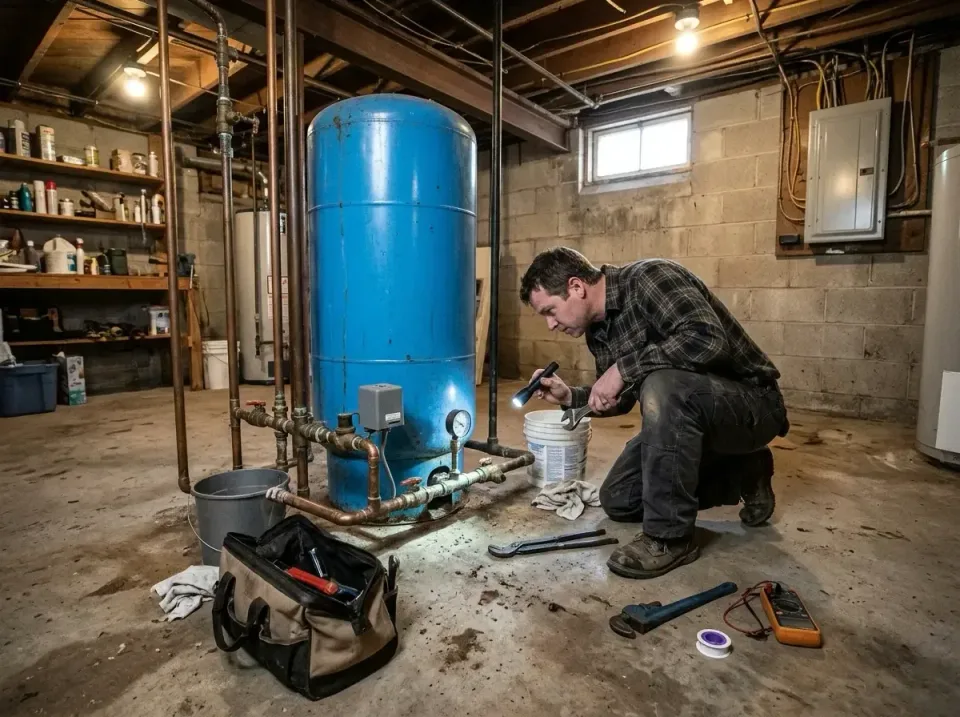
Caseyville Township Park and Caseyville City Hall are familiar local reference points for our service calls. Heavy rain can also expose drainage or basement seepage problems, so we look for signs of water around accessible plumbing before testing. The cause matters.
We coordinate access with occupants and inspect relevant lines, valves, and equipment. Call (877) 773-0781 to discuss a visit.
When faucets slow as appliances run, the issue may involve restricted flow or a supply problem; at a postwar ranch home typical in Caseyville, we test more than one fixture before choosing a repair. Seasonal temperature swings can make pipes expand and contract, so we look for changes that may point to a restriction or connection problem. A safe first check: compare two cold taps while appliances are off, then note whether both improve.
A sudden drop deserves a different check. Drought periods can strain private well supplies, so customers with a well should note whether pump operation changes along with the taps; our crew checks the pressure system and discusses well-related repair when indicated.
Wind chills can accelerate exposed-pipe freezing, making exposed plumbing worth a visual check do not use open flame. We cover Caseyville ZIP code 62232 and explain findings before repair.
A weak stream after cold weather can come from a frozen or damaged exposed pipe; check visible pipes for frost or moisture, but do not apply a torch. At Caseyville Township Park, the landmark is a useful reference when arranging a local visit, while our crew focuses testing on the property’s plumbing. Cold winters bring frozen-pipe and outdoor-plumbing risks, so we inspect accessible supply lines and fixtures before tracing the loss.
If pressure is low throughout a brick or vinyl-sided home, we test the pressure-reducing valve and check for water leaks that can reduce available flow. When only hot taps are affected, our team checks the hot-water path and related equipment. You can compare hot and cold flow at one faucet; if the difference persists, arrange a diagnosis with our Caseyville crew.
Admin. A pressure regulator can cause low water pressure when it fails or is set improperly, so we test the device before recommending adjustment or replacement. A safe first step is to note whether several fixtures are affected, not to turn the regulator yourself.
Get a clear diagnosis and an agreed repair plan for low water pressure at your Caseyville home.
Technicians check pressure at fixtures and key points in the system, then explain what they find. You can understand the likely cause before deciding which repair fits the issue.
The crew reviews the repair plan with you before work moves ahead. That gives you a chance to discuss the proposed scope and make an informed choice about the next step.
Experience with Illinois homes includes older galvanized lines and basement shutoff valves, both of which can affect pressure. The team considers the home’s plumbing layout during diagnosis.
The visit moves from symptom checks to a confirmed repair plan and a final pressure check.
Discuss Symptoms
The technician asks which fixtures are affected and when pressure changes. This helps focus the diagnosis and gives you a chance to point out concerns before testing begins.
Agree on Repairs
The technician explains the findings and confirms the repair plan with you before work begins. This lets you consider the proposed scope and ask questions about the work.
Verify the Result
After the repair, the technician measures pressure again and checks that it remains stable. The work area is closed only after the pressure check is complete.
Severe spring thunderstorms and nearby flooding can make it useful to check plumbing access and system conditions when pressure concerns arise. A diagnosis can help separate a plumbing issue from effects around the property and clarify whether repair is needed.
Summer is a practical time to address a pressure concern that has been easy to postpone. Technicians can check fixtures and key system points, explain the findings, and confirm a repair plan without relying on a seasonal service window.
Fall offers a chance to investigate weak flow before colder weather puts more attention on household plumbing. A technician can check pressure and discuss any needed work, while accounting for the home’s shutoff locations and plumbing access.
Mild but changeable winters can include freeze-thaw conditions that affect plumbing, especially in homes with older lines. A pressure diagnosis can help identify whether the concern relates to the system and what repair options are appropriate.
Permit requirements depend on the work involved and local rules. Ask how the provider identifies when a permit applies and coordinates it, so you understand any required steps before the repair plan is set.
Ask how the team arranges a diagnosis and repair visit across Illinois, and what information helps coordinate access to your home. Clear scheduling details help you plan for the technician’s arrival.
Some plumbing checks may require access to fixtures, shutoffs, or other system points. Ask what areas the technician may need to reach so you can clear access and protect nearby belongings.
Before authorizing work, ask for the proposed scope and any applicable terms in writing. Reviewing these details helps you understand what work is agreed upon and what is outside the planned repair.
Request a quote online or contact our Caseyville, IL team directly by phone or email.
If the stream weakens when another fixture is open, the shared supply may not be delivering enough flow. In a Sterling Place home, compare the shower with a nearby cold tap while other fixtures are off; if the shower still struggles, our Caseyville team can test the system and explain the likely repair.
Yes. A failed or incorrectly functioning regulator can restrict pressure to the home. Our crew tests the valve and checks other parts of the supply before recommending work; do not adjust it blindly, since the right setting depends on the plumbing system.
Note which fixtures are affected, whether hot and cold taps behave differently, and whether pressure changes when appliances run. In Bunkum, also tell us if the change began during a storm or after a seasonal temperature shift. That information helps our team plan the Caseyville diagnosis.
Low Water Pressure Repair is also available in these nearby communities across Illinois.