Water Pressure Diagnosis in Hickory Hills, IL
Water Pressure Diagnosis checks residential pressure at fixtures and hose bibs; a typical visit runs $125–$275, depending on access and testing scope.
A weak shower stream in a Hickory Hills home can point to a restriction, leak, or pressure-control problem not simply a worn showerhead. Freeze-thaw cycles can stress buried water lines, so a pressure drop that persists after thawing deserves a closer look. We start with measured checks, then explain what the readings show before recommending work.
Summer thunderstorms can disrupt municipal water service; if several fixtures weaken at once during a storm, check whether neighbors are affected before assuming a problem inside your home. Our team serves homes near Hickory Hills City Hall and the Hickory Hills Public Library, with repairs planned around the actual cause and access to your water line or utility area.
Clear diagnosis first. We can check pressure at multiple fixtures and help distinguish a house-side issue from a broader supply interruption. Kasey Meadow Park is another familiar local reference for our Hickory Hills service area. Call (877) 773-0781 to discuss low pressure and arrange a visit.
Water Pressure Diagnosis checks residential pressure at fixtures and hose bibs; a typical visit runs $125–$275, depending on access and testing scope.
We install home booster pumps sized to demand; capacity and electrical work shape the typical $800–$2,500 range. Wind chill can freeze exposed piping, so Springfield and Decatur access matters.
We trace sudden whole-house pressure drops for Hickory Hills, IL homeowners, checking accessible supply lines and pressure controls; typical repair costs depend on the failed part and access, often $150–$1,200.
We locate and repair pressure-affecting water line leaks for homeowners, including accessible pipe and buried-line work; typical repairs run $250–$1,500, depending on location and excavation.
We repair residential pressure-reducing valves, including accessible valve and connection work; typical repairs run $200–$600, depending on parts and labor.
We clear residential water-line blockages and inspect accessible pipe sections; a typical visit may run $200–$800, depending on access and blockage severity.
We repair showerheads, valves, and pressure problems; typical repairs run $150–$600 depending on access and parts. Hickory Hills, IL seasons and lake-effect snow can affect service timing.
We repair residential water booster pumps, checking pump components and controls; typical repairs may run $150–$600, depending on parts and access.
Well Water Pressure Repair addresses weak flow and cycling pumps by checking well controls, tank settings, and piping. Cost depends on the fault, parts, and access.
We clear or replace restricted faucet aerators and worn fixture parts; typical repairs run $125–$350, depending on access and parts.
We repair or replace well pressure tanks, matching tank capacity and piping; replacement commonly runs $800–$2,000. Gateway Arch travelers at O’Hare should plan for freeze-thaw strain on buried lines.
We free or replace stuck household shutoff valves, including corroded basement fittings; typical work runs $150–$500 depending on access and valve condition. Midway-area homeowners should protect exposed plumbing from...
We restore hot-water flow at residential fixtures and heater connections; typical repairs run $150–$600, depending on access and parts.
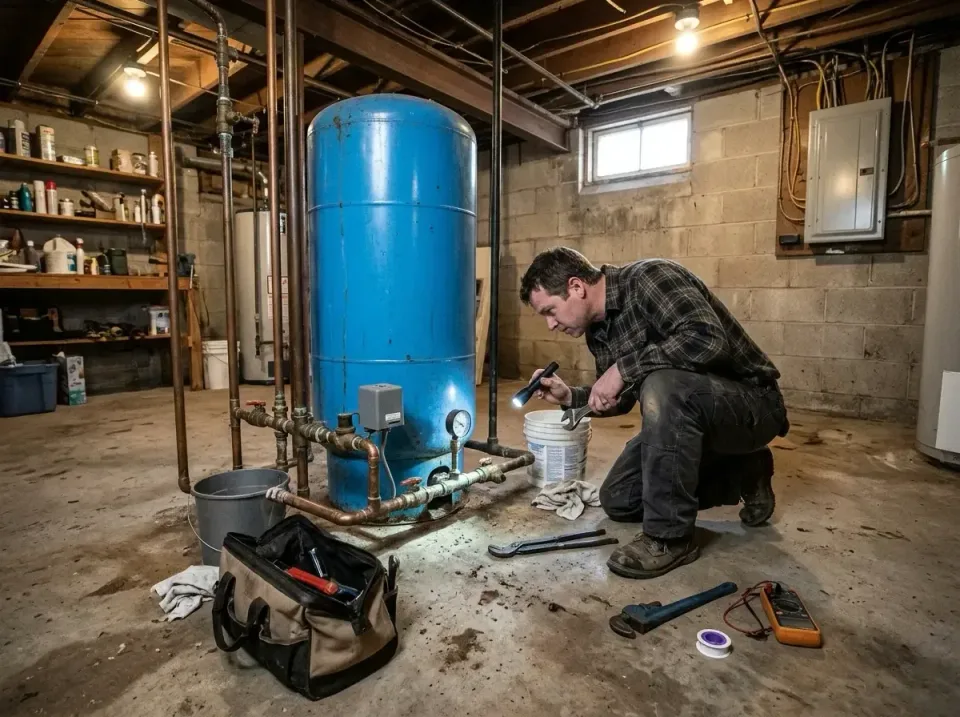
Hickory Hills City Hall and the Hickory Hills Public Library are familiar points in the community we serve. Hot, humid summers can increase household water demand, making a weak flow more noticeable when several taps or appliances run. If heavy rain brings water into a basement, note whether pressure changes at the same time; seepage and a plumbing pressure fault are not automatically the same problem.
We coordinate scheduling and access with residents, then complete agreed work to applicable requirements. Call (877) 773-0781 to arrange a pressure assessment.
Faucets that slow when an appliance runs, or upstairs taps that barely flow, call for a whole-home check. In Hickory Hills, spring rainfall can saturate soil around buried service lines; our crew checks pressure and looks for evidence of a line problem before proposing a repair. You can safely compare two faucets with appliances off, then note whether the change returns when one runs.
A sudden drop can also follow seasonal pipe expansion and contraction. We record pressure at multiple fixtures and hose bibs, inspect accessible piping, and explain what we find.
Do not force a stiff valve. Residents in ZIP code 60457 can call our team for Low Water Pressure Repair; the service covers Hickory Hills homes throughout that ZIP code. If the change is persistent or affects several rooms, call (877) 773-0781.
Lake-influenced winter winds can make exposed plumbing more vulnerable to freezing, especially where a service line or pipe passes through an unheated area. At a Hickory Hills home, a sudden weak flow after cold weather is a reason to check for visible frost or a leak, not to apply an open flame. We assess accessible piping and pressure readings before deciding whether a line repair is needed.
Kasey Meadow Park offers a familiar local reference for the area our crew serves. In homes near the Hickory Hills Public Library, accessible shutoffs and utility spaces help us test the system without unnecessary disruption.
Our pressure checks can distinguish a fixture-level restriction from a broader supply issue. If pressure remains low after temperatures rise, arrange an inspection with our team.
A pressure repair that changes plumbing connections must meet applicable requirements; skipping required review can leave unsafe or noncompliant work behind. Admin. Code 890, sets statewide plumbing standards, while local authorities handle requirements that apply within their jurisdiction.
We identify the main shutoff before testing or repair, and explain when access or coordination is needed. Hickory Hills City Hall is a local reference point, but permit requirements depend on the specific work and authority having jurisdiction.
Get a clear diagnosis and a repair plan explained before work begins.
That local knowledge helps technicians consider familiar plumbing factors while checking where pressure changes in your system.
Technicians check pressure at fixtures and key points, explain what they find, and confirm the repair plan with you. You can understand the proposed work before deciding how to proceed.
The team schedules diagnosis and repair visits across Illinois, coordinating job-site access and local permit requirements when the work calls for them. Technicians also protect nearby floors and cabinets during plumbing access.
The visit moves from symptom review to a pressure check and a confirmed repair.
Check the System
The technician locates the main water shutoff and checks pressure at fixtures and key system points. You learn what the readings and inspection show before a repair plan is discussed.
Confirm the Plan
The technician explains the findings and reviews the proposed repair with you. If access or local permit requirements apply, the team coordinates them as part of planning the work.
Complete and Verify
The technician protects nearby surfaces, performs the agreed repair, and measures pressure again. Before closing the work area, the team checks that pressure is stable and leaves the space orderly.
Rusty or discolored water is a visible change worth noting, especially in a home with older plumbing. It does not identify the cause by itself, but sharing when and where it appears can help a plumber assess the system.
Dampness near exposed pipes or plumbing access points deserves attention, even if water flow seems normal. Keep the area clear and mention where moisture appears so a technician can consider it during a system inspection.
Spring thaw can reveal changes around basement plumbing and shutoff areas after freeze-thaw conditions. A pressure check can help distinguish a fixture concern from a broader system issue and identify whether further inspection is needed.
Summer is a practical time to assess pressure while household water use may vary with routines and outdoor needs. Tell the technician which fixtures matter most so the system check reflects how your home uses water.
Fall offers an opportunity to review exposed plumbing and basement shutoff access before colder weather arrives. A technician can check pressure and discuss any concerns found, helping you plan work without waiting for a disruption.
Lake-influenced winter winds and freeze-thaw cycles can affect vulnerable plumbing areas. If pressure changes, share whether the issue is limited to particular fixtures; a technician can check the system and identify what needs attention.
Permit requirements depend on the work involved and local rules. Ask how the provider identifies applicable requirements and coordinates them, so you know what is included in planning the repair.
Some plumbing checks require access to fixtures, shutoffs, or other system areas. Ask what needs to be clear beforehand so the technician can inspect the plumbing while nearby floors and cabinets are protected.
Ask how findings and proposed work are reviewed before repairs begin. A clear explanation lets you understand the intended scope and decide whether to proceed without confusion about what the technician plans to do.
Request a quote online or contact our Hickory Hills, IL team directly by phone or email.
A common residential target is 40–60 psi, measured in pounds per square inch. Our crew can test several fixtures to see whether low flow is isolated or affects the whole Hickory Hills home.
Note whether the change affects one fixture or several, and whether it began while an appliance was running or after a storm. Check for a visible leak, but do not force a shutoff valve; call our team if pressure stays low.
Yes. Freezing can restrict exposed piping, and thawing may reveal a leak. In Hickory Hills, do not use an open flame on frozen plumbing; have persistent pressure loss or visible damage checked.
Low Water Pressure Repair is also available in these nearby communities across Illinois.